
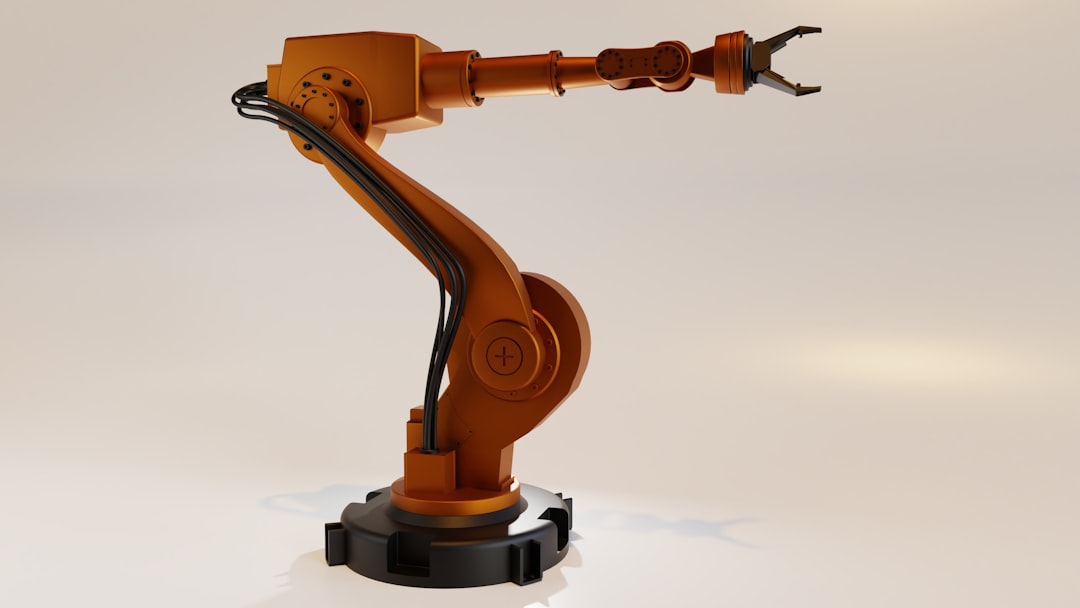
Robotics, a field that intertwines engineering, computer science, and artificial intelligence, has emerged as a transformative force in various sectors. The term “robot” originates from the Czech word “robota,” meaning forced labor, and it aptly describes the machines designed to perform tasks autonomously or semi-autonomously. Over the years, robotics has evolved from simple mechanical devices to sophisticated systems capable of complex decision-making and interaction with their environment.
This evolution has been driven by advancements in technology, including improvements in sensors, actuators, and algorithms, which have collectively enhanced the capabilities of robots. The significance of robotics extends beyond mere automation; it represents a paradigm shift in how humans interact with machines. As robots become more integrated into daily life, they are not only changing industries but also influencing societal norms and expectations.
From manufacturing floors to homes, the presence of robots is becoming increasingly commonplace, prompting discussions about their role in society and the future of work. As we delve deeper into the advancements and applications of robotics, it becomes clear that this field holds immense potential for innovation and improvement across various domains.
Key Takeaways
- Robotics is the branch of technology that deals with the design, construction, operation, and use of robots.
- Advancements in robotics technology have led to the development of more sophisticated and intelligent robots capable of performing complex tasks.
- Robotics has revolutionized the manufacturing industry by increasing efficiency, precision, and safety in production processes.
- In healthcare and medicine, robotics has enabled minimally invasive surgeries, rehabilitation assistance, and drug delivery systems.
- Robotics has played a crucial role in space exploration by conducting tasks such as planetary exploration, satellite servicing, and space station maintenance.
Advancements in Robotics Technology
The past few decades have witnessed remarkable advancements in robotics technology, driven by rapid developments in artificial intelligence, machine learning, and sensor technology. These innovations have enabled robots to perform tasks with greater precision and efficiency than ever before. For instance, the integration of AI algorithms allows robots to learn from their experiences, adapt to new environments, and make decisions based on real-time data.
This capability is particularly evident in autonomous vehicles, where advanced sensors and AI work together to navigate complex road conditions safely. Moreover, the miniaturization of components has led to the creation of smaller, more agile robots that can operate in confined spaces. Drones, for example, have become increasingly popular for various applications, from aerial photography to delivery services.
The development of soft robotics has also opened new avenues for creating robots that can interact safely with humans and delicate objects. These advancements not only enhance the functionality of robots but also expand their potential applications across diverse fields.
Applications of Robotics in Manufacturing

Robotics has revolutionized the manufacturing sector by streamlining processes and increasing productivity. Automated robotic systems are now commonplace on assembly lines, performing repetitive tasks with speed and accuracy that far surpass human capabilities. These robots can handle everything from welding and painting to packaging and quality control, significantly reducing production times and costs.
The implementation of robotics in manufacturing has also led to improved safety for workers by taking over hazardous tasks that pose risks to human health.
Unlike traditional industrial robots that operate in isolation, cobots are designed to work alongside human workers, enhancing their capabilities rather than replacing them.
This collaboration fosters a more efficient workflow and allows for greater flexibility in production processes. As manufacturers continue to adopt robotic solutions, they are not only optimizing their operations but also paving the way for a more innovative and competitive industry.
Robotics in Healthcare and Medicine
| Metrics | Data |
|---|---|
| Number of robotic surgeries performed annually | Over 1.2 million globally |
| Market size of medical robotics | Projected to reach 11.4 billion by 2025 |
| Robotic exoskeletons in rehabilitation | Used to assist with mobility and physical therapy |
| Telepresence robots in healthcare | Allow remote patient monitoring and consultations |
The healthcare sector has embraced robotics as a means to enhance patient care and improve surgical outcomes. Surgical robots, such as the da Vinci Surgical System, allow surgeons to perform minimally invasive procedures with unparalleled precision. These robotic systems provide enhanced visualization and dexterity, enabling complex surgeries to be conducted with smaller incisions and reduced recovery times for patients.
The integration of robotics in surgery has not only improved patient outcomes but has also expanded the possibilities for complex procedures that were once deemed too risky. In addition to surgical applications, robotics is making strides in rehabilitation and elder care. Robotic exoskeletons are being developed to assist individuals with mobility impairments, allowing them to regain independence and improve their quality of life.
Furthermore, robotic companions are being introduced in elder care facilities to provide companionship and assistance with daily activities. These innovations highlight the potential of robotics to address pressing challenges in healthcare while enhancing the overall patient experience.
Robotics in Space Exploration
Space exploration is another domain where robotics plays a crucial role. Robotic spacecraft have been instrumental in gathering data about distant planets, moons, and asteroids without risking human lives. Missions such as NASA’s Mars rovers have provided invaluable insights into the Martian landscape and climate, paving the way for future human exploration.
These rovers are equipped with advanced sensors and cameras that allow them to navigate autonomously while conducting scientific experiments. Moreover, robotics is essential for constructing and maintaining space stations and satellites. Robotic arms are used for assembling components in space, while autonomous drones can perform inspections and repairs on orbiting satellites.
As humanity looks toward establishing a presence on other planets, the development of advanced robotic systems will be critical for ensuring safe and efficient exploration beyond Earth.
Robotics in Agriculture and Farming

The agricultural sector is experiencing a technological revolution driven by robotics. Farmers are increasingly turning to automated systems to enhance productivity and sustainability. Robotic systems are being employed for tasks such as planting, harvesting, and monitoring crops.
For instance, autonomous tractors equipped with GPS technology can optimize planting patterns while minimizing soil disturbance. This precision agriculture approach not only increases yields but also reduces resource consumption. Additionally, drones are being utilized for crop monitoring and pest control.
Equipped with advanced imaging technology, these drones can assess crop health from above, allowing farmers to make informed decisions about irrigation and fertilization. The integration of robotics in agriculture is not only improving efficiency but also addressing challenges related to labor shortages and environmental sustainability.
Robotics in Military and Defense
In the realm of military and defense, robotics has become an indispensable asset for enhancing operational capabilities while minimizing risks to human personnel.
These drones provide real-time intelligence without putting pilots in harm’s way, allowing military forces to gather critical information from remote locations.
Moreover, ground-based robotic systems are being developed for bomb disposal and reconnaissance missions in hazardous environments. These robots can navigate dangerous terrains while performing tasks that would be too risky for human soldiers. As military technology continues to evolve, the integration of robotics will play a pivotal role in shaping modern warfare strategies while ensuring the safety of personnel.
Robotics in Transportation and Logistics
The transportation and logistics sectors are undergoing a transformation fueled by advancements in robotics technology. Autonomous vehicles are at the forefront of this revolution, promising to reshape how goods and people are transported. Companies like Waymo and Tesla are leading the charge in developing self-driving cars that can navigate urban environments safely while reducing traffic congestion.
In logistics, robotic systems are streamlining warehouse operations by automating tasks such as sorting, packing, and inventory management. Automated guided vehicles (AGVs) are being deployed to transport goods within warehouses efficiently. This automation not only enhances productivity but also reduces operational costs for businesses.
As these technologies continue to advance, they hold the potential to revolutionize supply chain management and redefine transportation networks.
Robotics in Education and Research
Robotics is making significant strides in education and research by providing hands-on learning experiences that foster creativity and problem-solving skills. Educational institutions are increasingly incorporating robotics into their curricula to engage students in STEM (science, technology, engineering, and mathematics) fields. Through building and programming robots, students gain practical skills while developing critical thinking abilities.
In research settings, robotics is being utilized to explore complex scientific questions across various disciplines. From studying animal behavior through robotic simulations to conducting experiments in extreme environments using autonomous robots, researchers are leveraging these technologies to push the boundaries of knowledge. The intersection of robotics with education and research not only inspires future generations but also drives innovation across multiple fields.
Ethical and Social Implications of Robotics
As robotics continues to permeate various aspects of society, ethical considerations surrounding its development and deployment become increasingly important. Questions regarding job displacement due to automation have sparked debates about the future of work and economic inequality. While robots can enhance productivity, there is a growing concern about how this shift may impact employment opportunities for certain sectors of the workforce.
Additionally, ethical dilemmas arise regarding the use of robots in sensitive areas such as healthcare and military applications. The decision-making capabilities of autonomous systems raise questions about accountability and responsibility when things go wrong. As society navigates these challenges, it is essential to establish frameworks that ensure responsible development while addressing potential risks associated with robotics.
The Future of Robotics: Challenges and Opportunities
Looking ahead, the future of robotics presents both challenges and opportunities that will shape its trajectory in society. One significant challenge lies in ensuring that technological advancements keep pace with ethical considerations and regulatory frameworks. As robots become more autonomous and integrated into daily life, establishing guidelines for their use will be crucial for addressing concerns related to safety, privacy, and accountability.
On the other hand, the opportunities presented by robotics are vast. Continued advancements in AI will enable robots to perform increasingly complex tasks across diverse industries. The potential for collaboration between humans and robots offers exciting possibilities for innovation while enhancing productivity across sectors.
As society embraces these changes, it will be essential to foster an inclusive dialogue that considers the implications of robotics on individuals and communities alike. In conclusion, robotics stands at the forefront of technological innovation with far-reaching implications across various domains. From manufacturing to healthcare and beyond, the advancements made in this field promise to reshape industries while addressing pressing societal challenges.
As we navigate this evolving landscape, it is imperative to balance progress with ethical considerations to ensure a future where robotics serves humanity’s best interests.
FAQs
What is robotics?
Robotics is the branch of technology that deals with the design, construction, operation, and use of robots. It involves the study of mechanical engineering, electrical engineering, computer science, and other disciplines.
What are robots?
Robots are machines that can carry out a complex series of actions automatically. They can be programmed to perform tasks such as assembly, welding, painting, and more. Robots can be controlled by humans or operate autonomously.
What are the different types of robots?
There are various types of robots, including industrial robots used in manufacturing, service robots used in healthcare and hospitality, collaborative robots that work alongside humans, and autonomous robots that can operate without human intervention.
What are the applications of robotics?
Robotics has a wide range of applications, including manufacturing, healthcare, agriculture, space exploration, military, entertainment, and more. Robots are used to perform tasks that are dangerous, repetitive, or require precision.
What are the benefits of robotics?
The use of robotics can lead to increased efficiency, improved safety, cost savings, and the ability to perform tasks that are beyond human capabilities. Robotics also has the potential to create new job opportunities and drive innovation in various industries.
What are the challenges in robotics?
Challenges in robotics include developing robots that can adapt to unpredictable environments, ensuring the safety and ethical use of robots, addressing concerns about job displacement, and advancing the capabilities of artificial intelligence and machine learning.

