

The advent of self-driving cars marks a significant milestone in the evolution of transportation technology. These autonomous vehicles, equipped with advanced sensors, artificial intelligence, and machine learning algorithms, have the potential to revolutionize how people commute and transport goods. The concept of self-driving cars has transitioned from science fiction to reality, with numerous companies investing heavily in research and development.
As these vehicles become more prevalent, society must grapple with the implications of this transformative technology.
They also hold the potential to reduce traffic congestion and improve overall road safety.
However, the journey toward widespread adoption is fraught with challenges, including regulatory hurdles, public acceptance, and ethical dilemmas. As the world stands on the brink of this automotive revolution, it is essential to explore the multifaceted aspects of self-driving cars and their impact on society.
Key Takeaways
- Self-driving cars are vehicles that can operate without human intervention, using a combination of sensors, cameras, and artificial intelligence to navigate and drive.
- Advantages of self-driving cars include increased safety, reduced traffic congestion, improved accessibility for the elderly and disabled, and potential economic benefits.
- Safety concerns and regulations surrounding self-driving cars focus on issues such as liability in accidents, cybersecurity, and the need for standardized regulations across different regions.
- The impact of self-driving cars on traffic and infrastructure includes potential reductions in traffic congestion, the need for new infrastructure to support autonomous vehicles, and changes in urban planning.
- Environmental benefits of self-driving cars include potential reductions in fuel consumption, emissions, and overall environmental impact, especially if they lead to increased use of electric vehicles.
Advantages of Self-Driving Cars
One of the most compelling advantages of self-driving cars is their potential to significantly reduce traffic accidents. Human error is a leading cause of road accidents, accounting for approximately 94% of all crashes. Autonomous vehicles are designed to eliminate these errors by utilizing sophisticated algorithms that can process vast amounts of data in real-time.
This capability allows them to react more quickly than human drivers, potentially saving countless lives and reducing injuries on the road. In addition to enhancing safety, self-driving cars can improve traffic flow and reduce congestion. With their ability to communicate with one another and with traffic management systems, these vehicles can optimize routes and adjust speeds to minimize delays.
This interconnectedness can lead to smoother traffic patterns, shorter travel times, and less frustration for commuters. Furthermore, the reduction in traffic congestion can have positive ripple effects on urban planning and infrastructure development.
Safety Concerns and Regulations
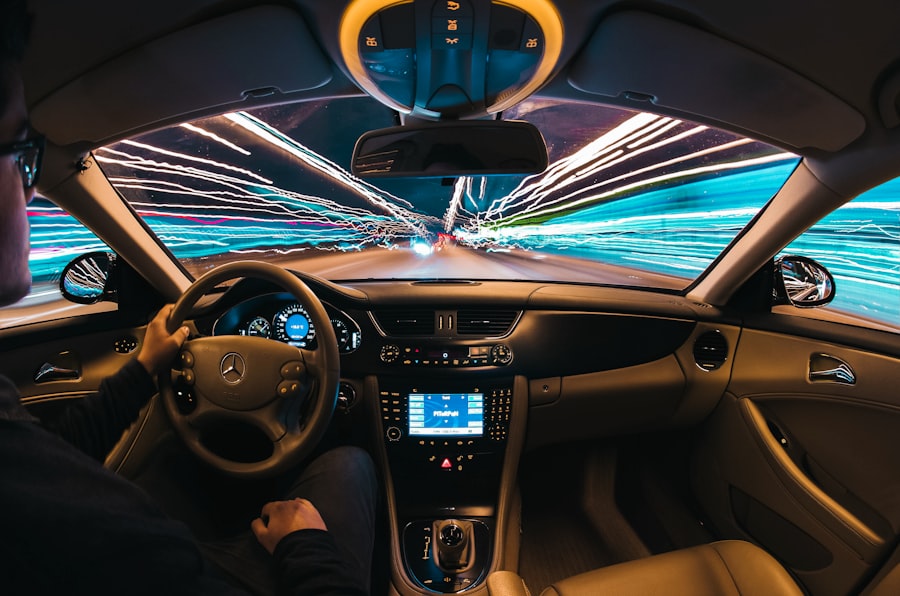
Despite the promising advantages of self-driving cars, safety concerns remain a significant barrier to their widespread adoption. High-profile accidents involving autonomous vehicles have raised questions about their reliability and the technology’s readiness for public use. Critics argue that while self-driving cars may reduce certain types of accidents, they could also introduce new risks, particularly in complex driving environments such as urban areas or during adverse weather conditions.
Regulatory frameworks are essential for ensuring the safe deployment of self-driving cars on public roads. Governments around the world are grappling with how to create effective regulations that balance innovation with public safety. This includes establishing standards for testing and certification, as well as guidelines for liability in the event of an accident involving an autonomous vehicle.
As policymakers work to create a comprehensive regulatory landscape, collaboration between industry stakeholders, government agencies, and safety advocates will be crucial.
Impact on Traffic and Infrastructure
| City | Impact on Traffic | Impact on Infrastructure |
|---|---|---|
| New York | High | High |
| Los Angeles | High | High |
| London | Medium | Medium |
The widespread adoption of self-driving cars is likely to have profound implications for traffic patterns and infrastructure design. As these vehicles become more common, urban planners may need to rethink road layouts, traffic signals, and parking facilities. For instance, if self-driving cars can communicate with one another and optimize their routes, there may be less need for traditional traffic signals or stop signs.
This could lead to a reimagining of urban spaces that prioritizes pedestrian safety and green areas over vehicle-centric designs. Moreover, the integration of self-driving cars into existing transportation systems could alleviate some of the burdens on public infrastructure.
However, this transition will require significant investment in technology and infrastructure upgrades to accommodate the unique needs of autonomous vehicles. As cities adapt to this new reality, collaboration between government agencies, private companies, and community stakeholders will be essential.
Environmental Benefits
Self-driving cars also hold promise for environmental sustainability. Many autonomous vehicles are being designed with electric powertrains, which can significantly reduce greenhouse gas emissions compared to traditional gasoline-powered cars. Additionally, the optimization of driving patterns through advanced algorithms can lead to more efficient fuel consumption and reduced energy waste.
This shift toward cleaner transportation options aligns with global efforts to combat climate change and promote sustainable practices. Furthermore, the potential for shared autonomous vehicle services could lead to a decrease in the overall number of cars on the road. By enabling ride-sharing and pooling options, self-driving cars can reduce individual car ownership rates and lower traffic congestion.
This reduction in vehicle numbers can lead to less pollution and a smaller carbon footprint for urban areas. As society increasingly prioritizes environmental responsibility, self-driving cars may play a pivotal role in shaping a greener future.
Adoption and Acceptance by the Public

Public acceptance is a critical factor in the successful integration of self-driving cars into everyday life. While many individuals express enthusiasm for the technology’s potential benefits, concerns about safety and reliability persist. Surveys indicate that a significant portion of the population remains hesitant to embrace autonomous vehicles fully.
Building trust in this technology will require transparent communication about its capabilities and limitations. Education campaigns aimed at informing the public about self-driving cars’ safety features and benefits could help alleviate fears. Additionally, early adopters who share positive experiences with autonomous vehicles may influence others’ perceptions.
As more people become familiar with self-driving technology through pilot programs or ride-sharing services, acceptance is likely to grow. Ultimately, fostering a culture of openness and understanding will be essential for encouraging widespread adoption.
Integration with Public Transportation
The integration of self-driving cars with public transportation systems presents an exciting opportunity to enhance mobility options for urban residents. Autonomous vehicles could serve as first-mile/last-mile solutions, bridging the gap between public transit hubs and individuals’ homes or workplaces. By providing convenient access to bus or train stations, self-driving cars can encourage greater use of public transportation and reduce reliance on personal vehicles.
Moreover, this integration could lead to more efficient transit systems overall. For example, autonomous shuttles could operate on fixed routes during peak hours while adjusting their schedules based on real-time demand during off-peak times. This flexibility would allow public transportation providers to optimize their resources while offering riders a seamless travel experience.
As cities explore innovative ways to combine self-driving technology with existing transit networks, collaboration between public agencies and private companies will be crucial.
Economic Implications
The rise of self-driving cars is poised to have significant economic implications across various sectors. The automotive industry will undoubtedly undergo substantial changes as manufacturers pivot toward developing autonomous technologies. This shift could lead to job displacement in certain areas while simultaneously creating new opportunities in tech-driven fields such as software development, data analysis, and cybersecurity.
Additionally, the emergence of autonomous vehicle services could disrupt traditional business models within transportation sectors like taxi services and logistics. Companies that adapt quickly to these changes may find themselves at a competitive advantage, while those that resist innovation risk falling behind. As self-driving technology continues to evolve, it will be essential for businesses to remain agile and responsive to shifting market dynamics.
Technological Developments and Challenges
The journey toward fully autonomous vehicles is fraught with technological challenges that must be addressed before widespread adoption can occur. Developing reliable sensors capable of accurately detecting obstacles in various driving conditions remains a significant hurdle. Additionally, ensuring that artificial intelligence systems can make sound decisions in complex scenarios—such as navigating busy intersections or responding to unpredictable human behavior—is critical for safety.
Moreover, cybersecurity concerns pose another challenge for the development of self-driving cars. As these vehicles become increasingly connected through networks and data-sharing platforms, they may become vulnerable to hacking or malicious attacks. Ensuring robust security measures are in place will be essential for protecting both users’ safety and their personal information.
As researchers continue to innovate in these areas, collaboration between industry leaders and regulatory bodies will be vital for overcoming technological barriers.
Ethical Considerations
The rise of self-driving cars also raises important ethical questions that society must confront. One significant dilemma involves decision-making algorithms: how should an autonomous vehicle prioritize safety when faced with unavoidable accidents? For instance, if a collision is imminent, should the vehicle prioritize the safety of its passengers over pedestrians?
These moral quandaries highlight the need for clear ethical guidelines governing autonomous vehicle behavior. Additionally, issues surrounding data privacy must be addressed as self-driving cars collect vast amounts of information about users’ habits and preferences. Striking a balance between leveraging data for improved services while safeguarding individuals’ privacy rights will be crucial as this technology evolves.
Engaging in open discussions about these ethical considerations will help shape policies that reflect societal values while promoting responsible innovation.
The Road Ahead for Self-Driving Cars
As society stands at the precipice of a new era in transportation with self-driving cars on the horizon, it is essential to navigate the complexities associated with this transformative technology thoughtfully. The potential benefits—ranging from enhanced safety and environmental sustainability to improved mobility—are compelling; however, challenges such as regulatory hurdles, public acceptance issues, and ethical dilemmas must be addressed proactively. The road ahead will require collaboration among stakeholders across various sectors—government agencies, private companies, researchers, and communities—to ensure that self-driving technology is developed responsibly and equitably.
By fostering an environment conducive to innovation while prioritizing safety and ethical considerations, society can harness the full potential of self-driving cars for a brighter future in transportation.
FAQs
What are self-driving cars?
Self-driving cars, also known as autonomous vehicles, are vehicles that can operate without human intervention. They use a combination of sensors, cameras, radar, and artificial intelligence to navigate and make decisions on the road.
How do self-driving cars work?
Self-driving cars use a variety of technologies such as GPS, lidar, radar, and cameras to perceive their surroundings and make decisions. These vehicles rely on complex algorithms and artificial intelligence to interpret the data and navigate the road.
Are self-driving cars safe?
Self-driving cars are designed to prioritize safety and are equipped with advanced technology to avoid accidents. However, there have been instances of accidents involving self-driving cars, leading to ongoing discussions about their safety and regulation.
What are the potential benefits of self-driving cars?
Self-driving cars have the potential to reduce traffic accidents, improve traffic flow, and provide mobility options for individuals who are unable to drive. They could also lead to more efficient use of roadways and reduced emissions.
What are the challenges facing self-driving cars?
Challenges facing self-driving cars include regulatory hurdles, public acceptance, cybersecurity concerns, and the need for infrastructure updates to support autonomous vehicles. Additionally, there are ethical and legal considerations surrounding liability in the event of accidents.

